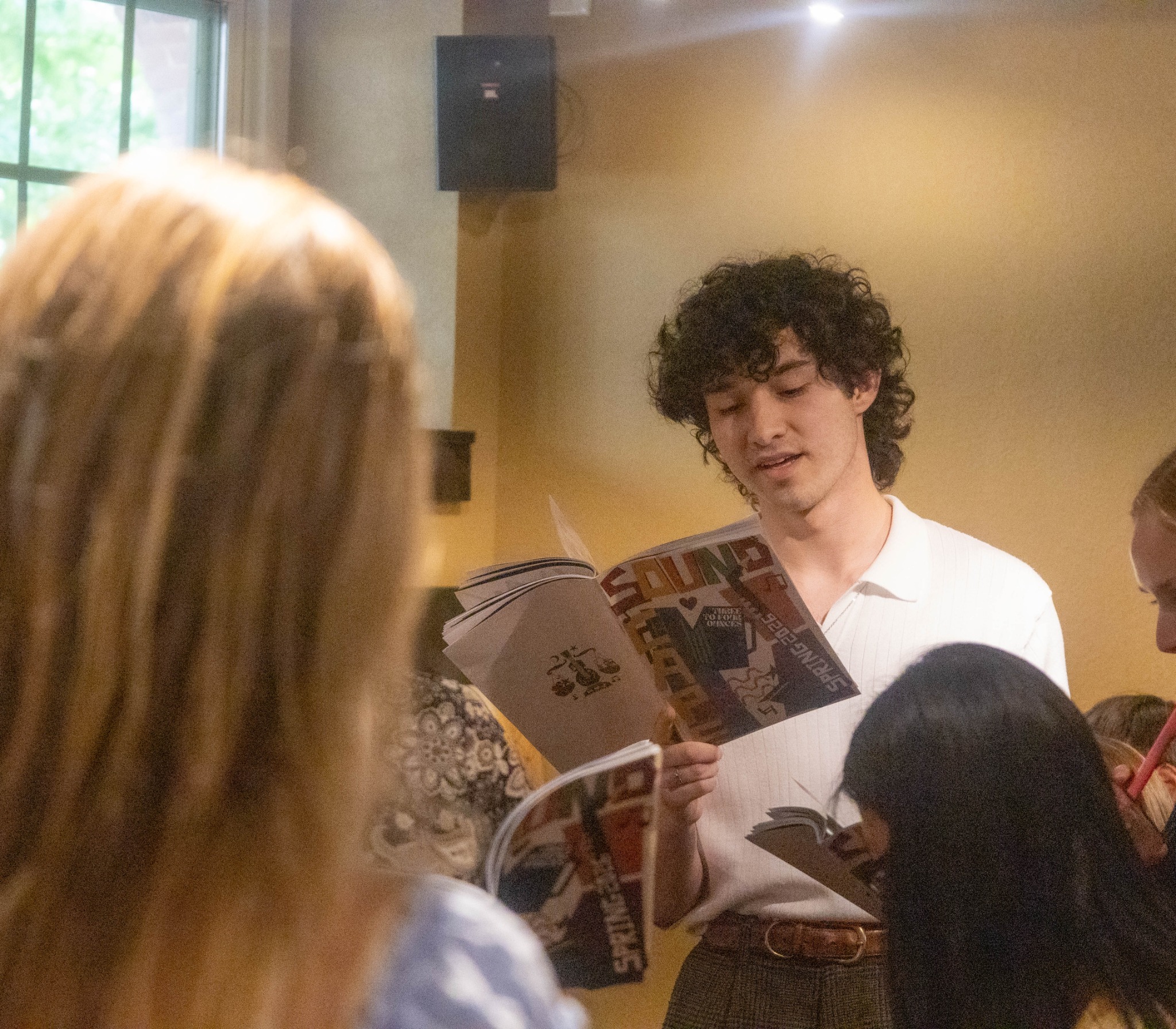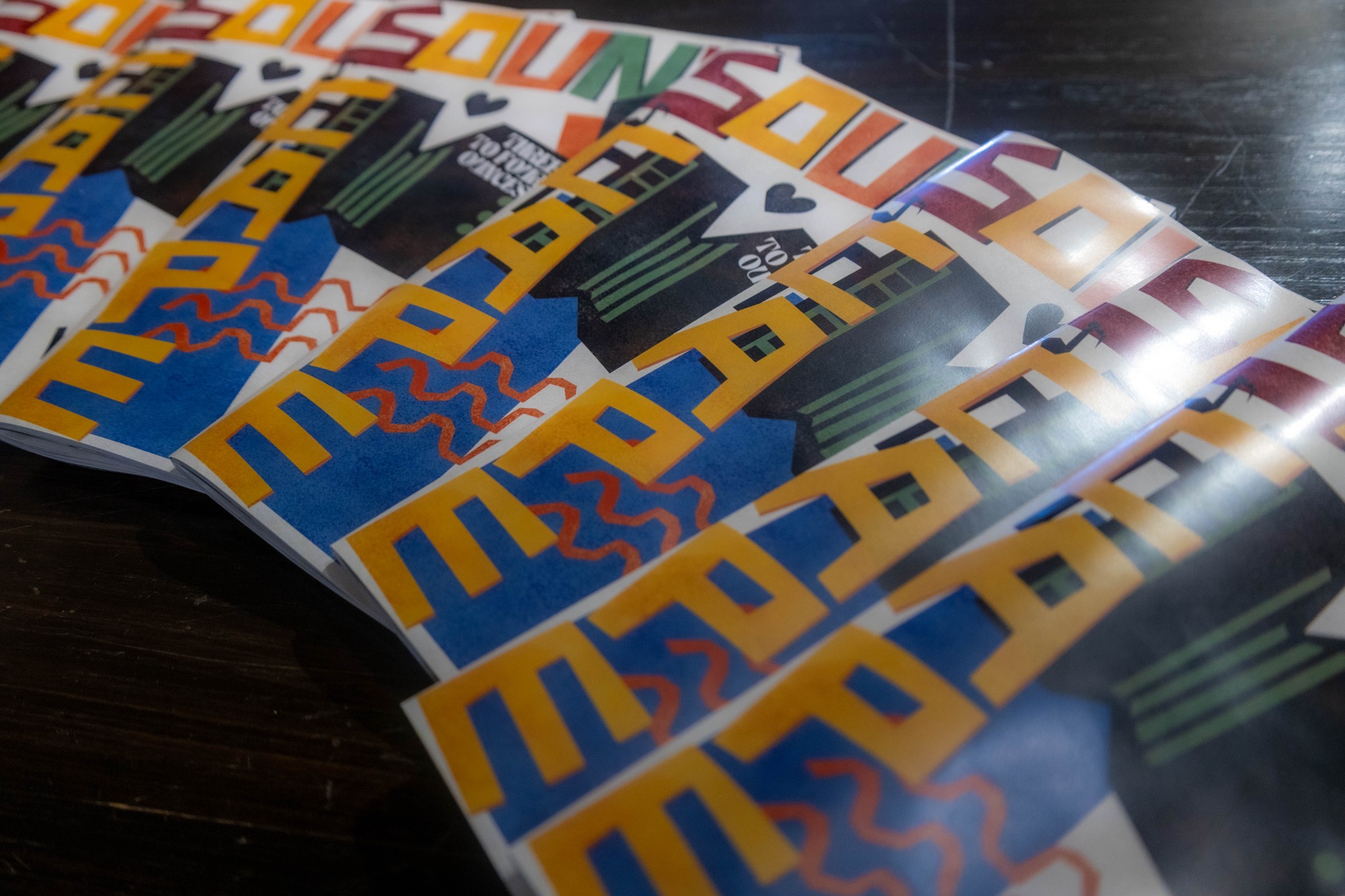
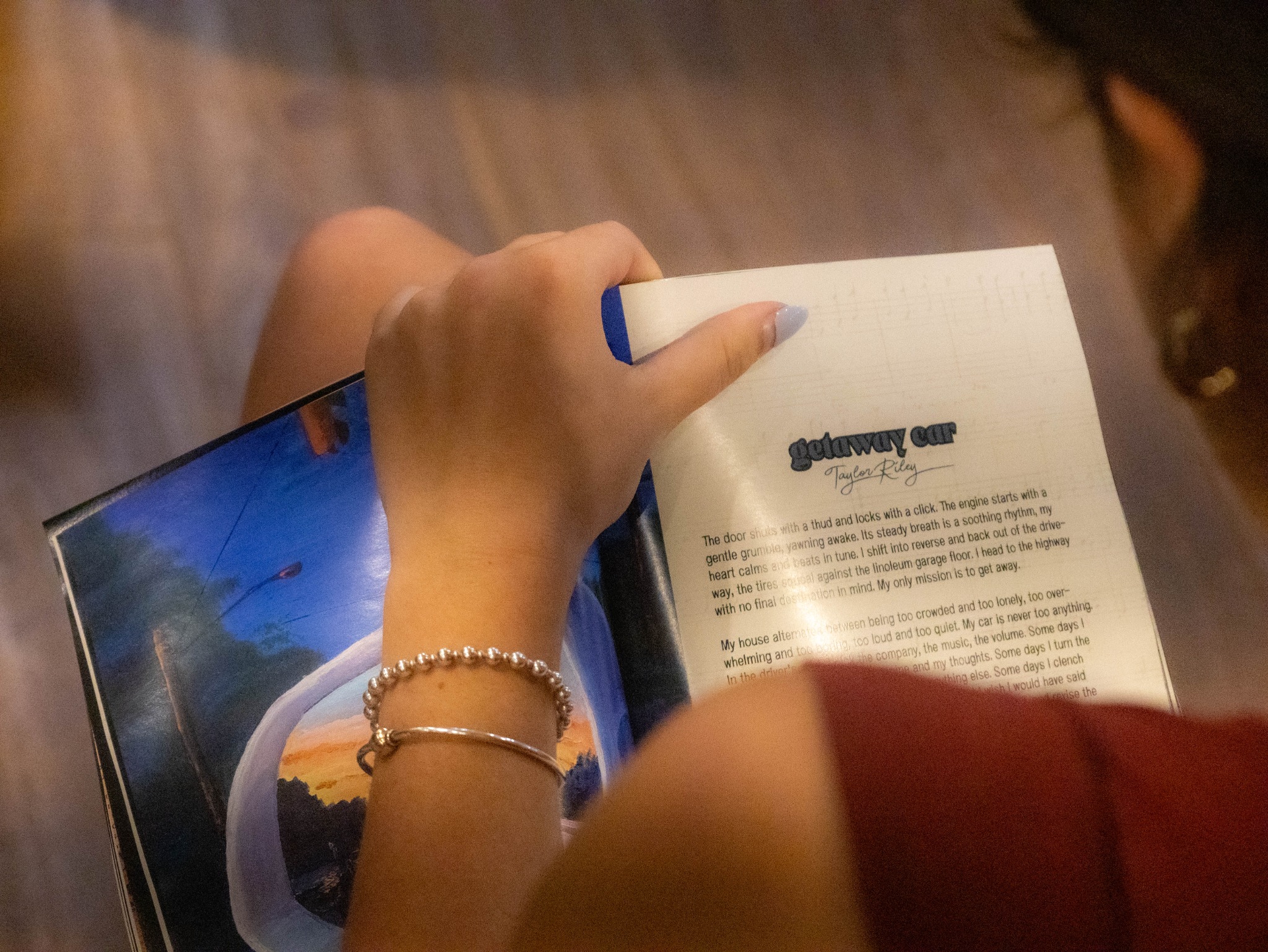
Inspired by the structure of a symphony, Soundscape was organized into four movements, allowing readers to experience the magazine as a carefully composed journey rather than a collection of individual works. The issue also expanded beyond the printed page by incorporating multimedia storytelling, including original audio recordings and film, inviting readers to engage with literature in new ways.
Every issue of Three to Four Ounces begins with a central theme that serves as both an invitation and a creative challenge for contributors. For Soundscape, I wanted to explore the many ways sound influences our lives—not only through music, but through conversations, silence, memory, language, nature, and the rhythms that quietly shape our everyday experiences.
Rather than organizing the magazine by genre, I envisioned the publication as a symphony. The issue was divided into four movements, each carrying its own emotional tone while contributing to a larger narrative arc. This structure encouraged readers to experience the works in conversation with one another, allowing themes and emotions to build gradually throughout the magazine.
The visual design reflected this concept as well. Section dividers, typography, color palettes, and pacing were intentionally crafted to reinforce the feeling of movement and rhythm, creating an immersive experience that extended beyond the individual pieces themselves.
As Editor-in-Chief, I oversaw both the creative direction and logistical production of the magazine. My responsibilities included:
Serving as Editor-in-Chief required balancing creative leadership with project management, bringing together dozens of contributors and editors to produce a publication that felt unified, intentional, and representative of our campus's creative community.
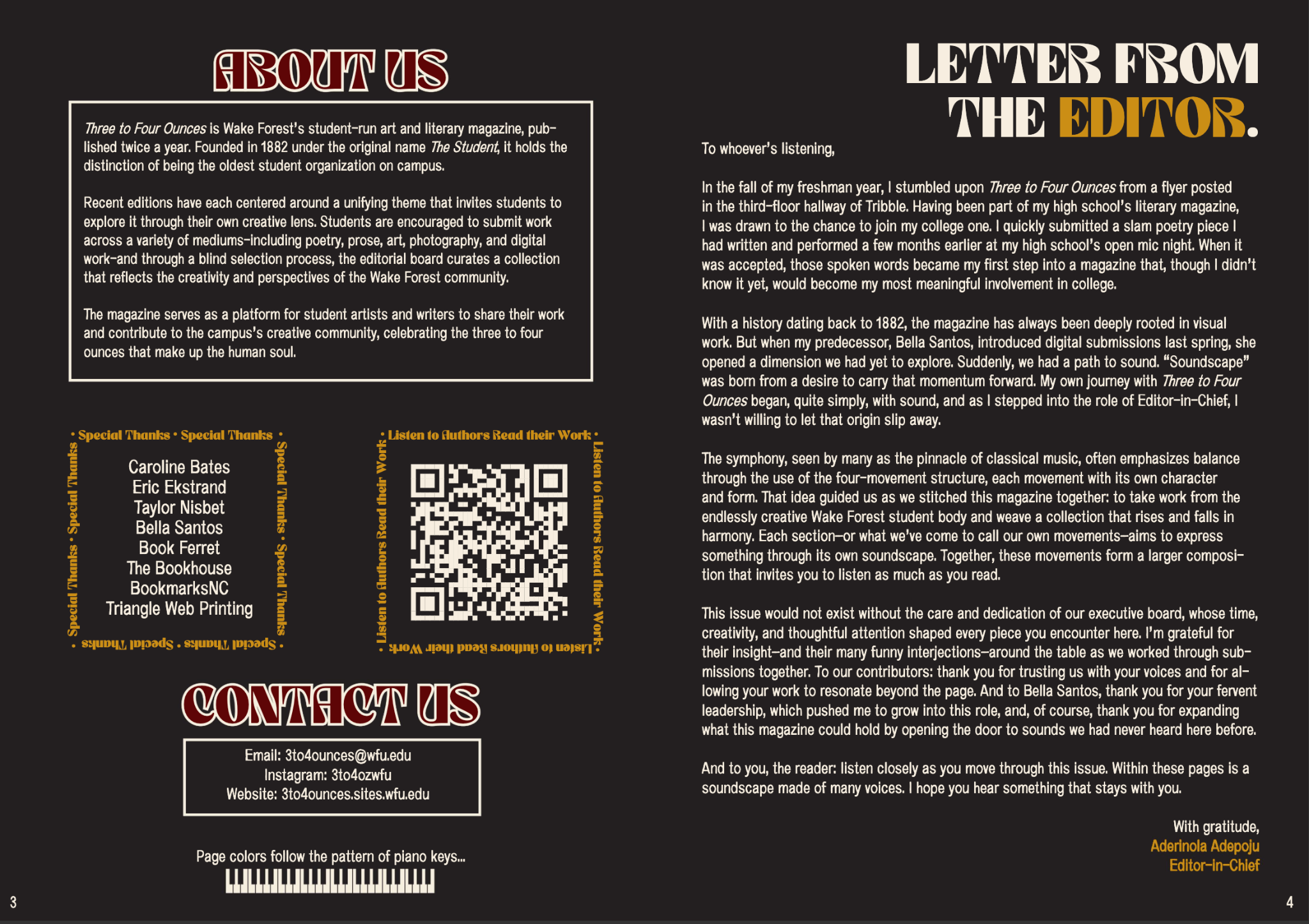
This spread introduces the vision behind Soundscape and establishes the issue's central theme before readers encounter the creative work. I wanted the opening pages to feel welcoming while inviting readers to think about sound in all its forms—from music and conversation to memory and silence.
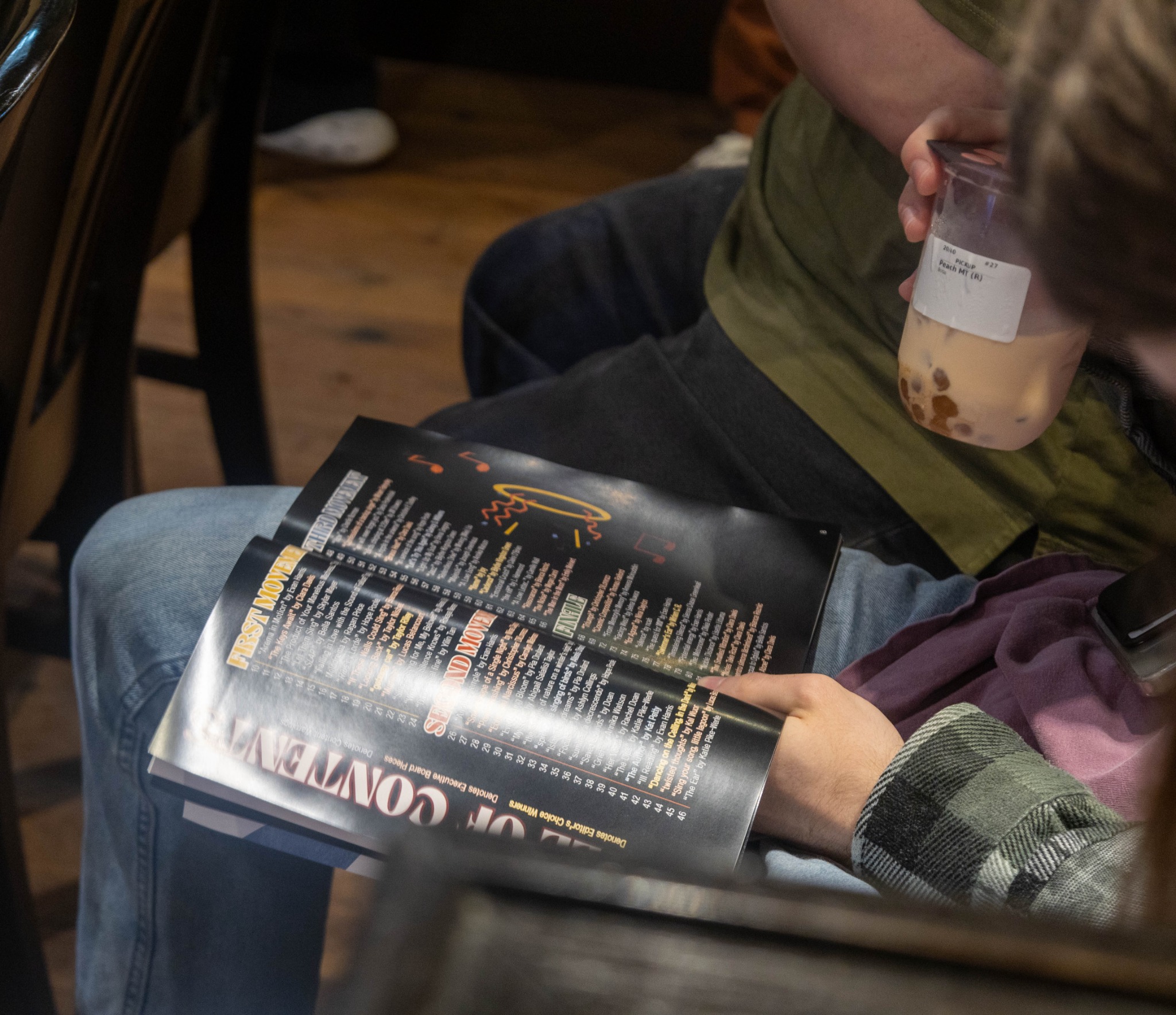
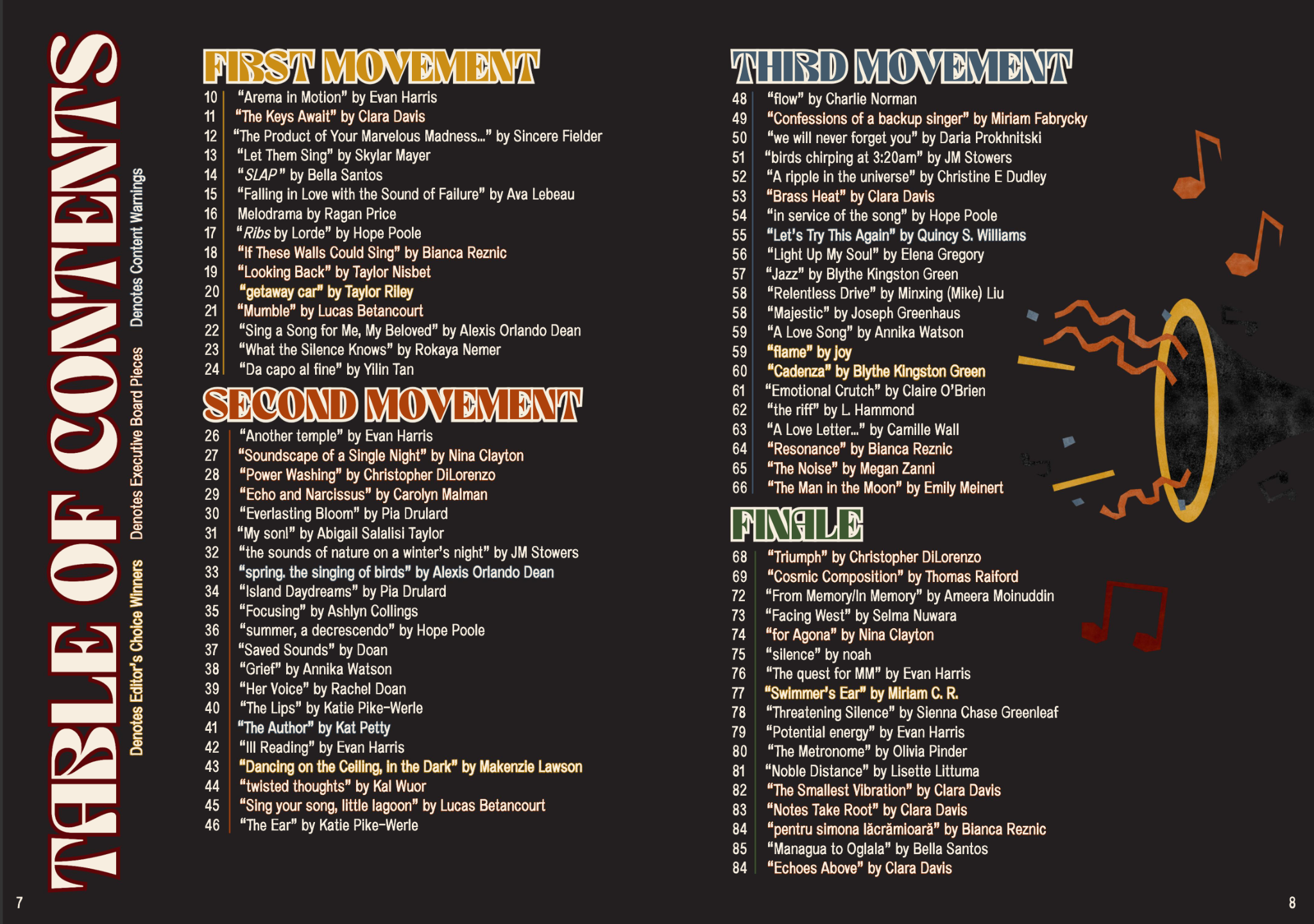
Rather than organizing the table of contents by medium with a simple list of titles, authors, and page numbers, I wanted it to reflect the magazine's editorial vision. By arranging the works according to the four movements and approaching the layout as a designed spread rather than a functional index, the table of contents becomes the reader's first introduction to the rhythm and identity of Soundscape.
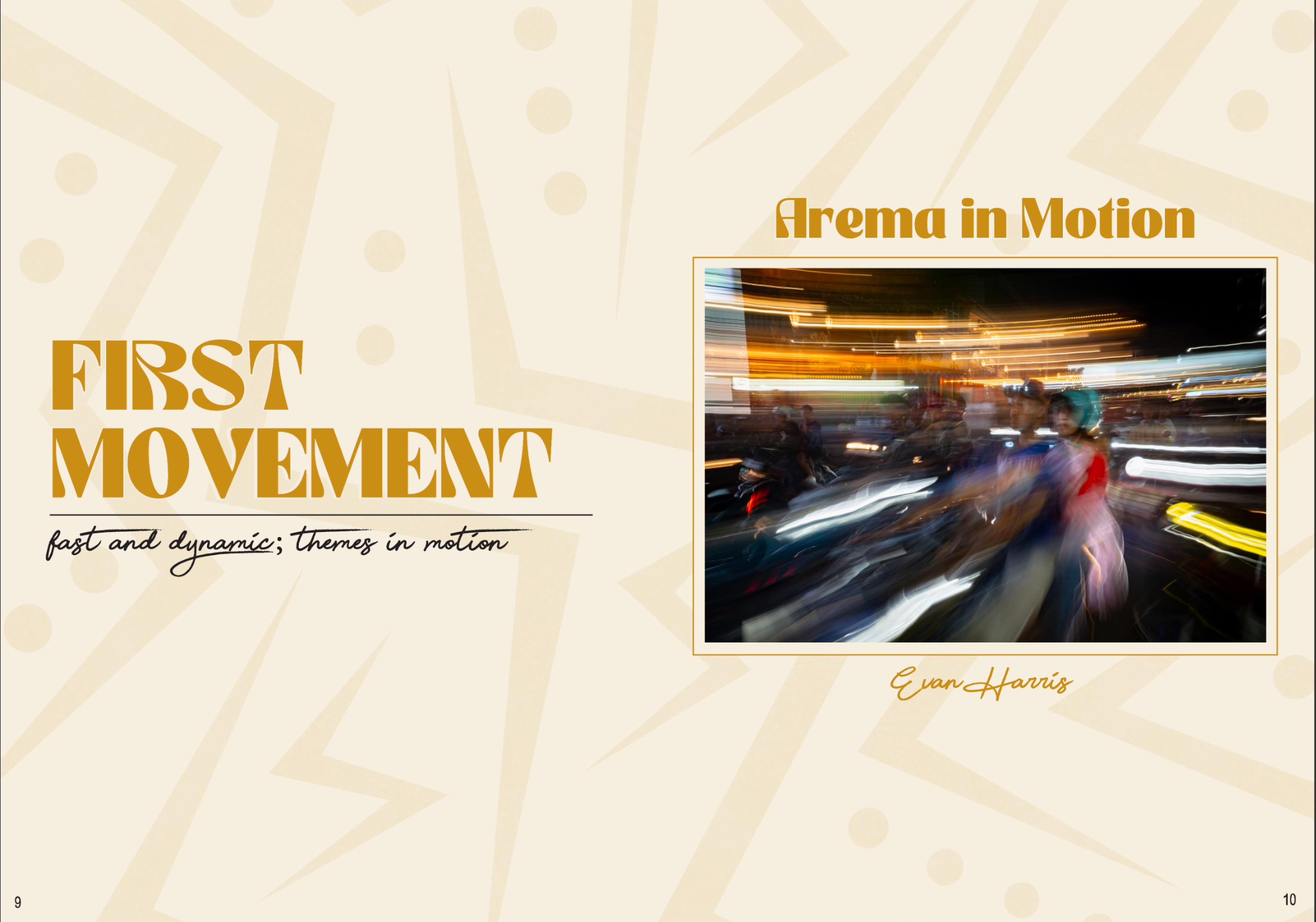
Inspired by the structure of a symphony, each movement marks a shift in tone and emotion while connecting the works that follow. This first movement, is characterized by "fast and dynamic" works. Paired with a striking photog, the opening spread establishes the rhythm of the issue and beautifully introduces the themes that unfold throughout the section.
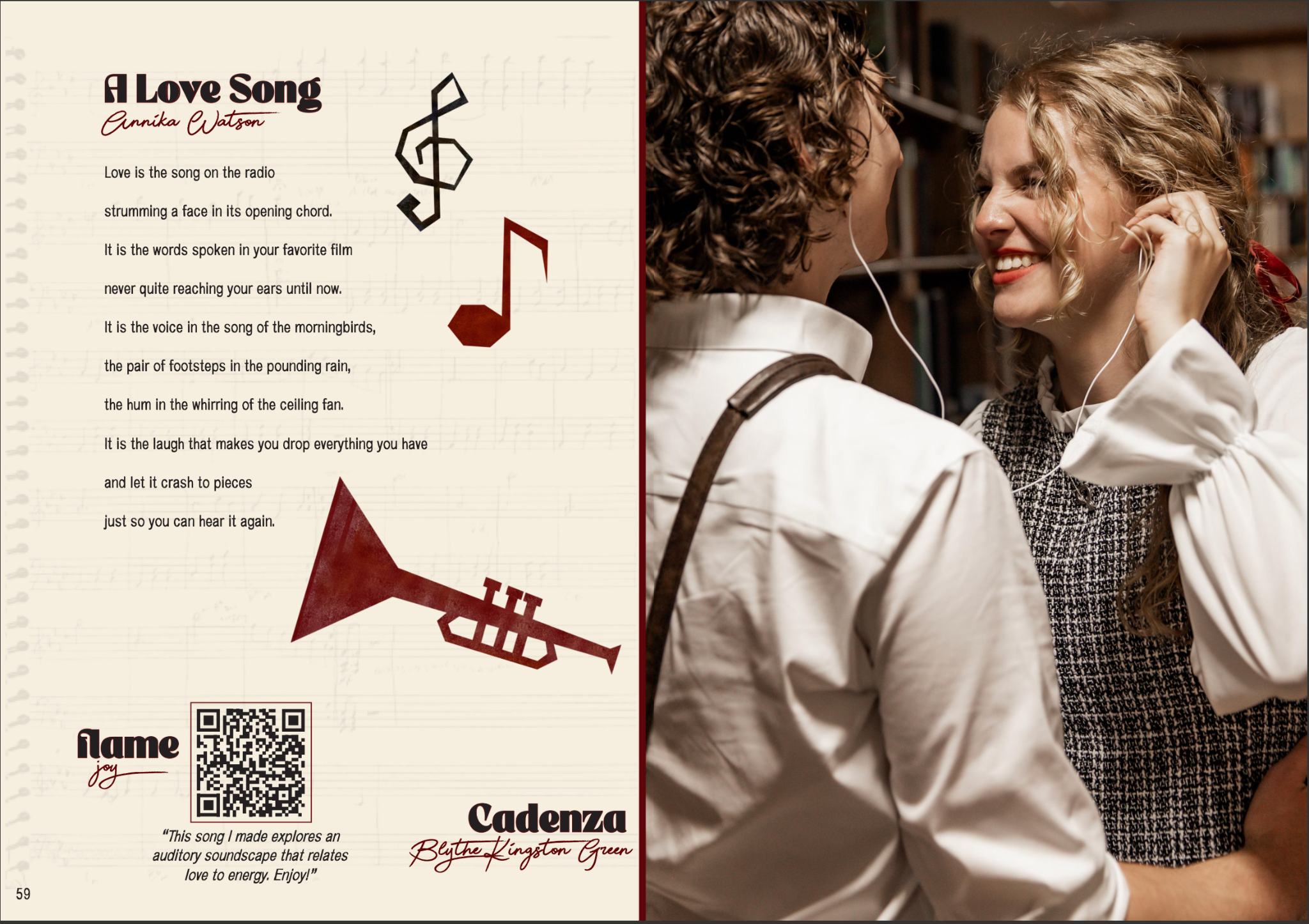
This spread highlights one of my favorite aspects of Soundscape: the integration of multiple forms of storytelling. By pairing written work with visual imagery and an accompanying audio experience accessed through a QR code, the piece extends beyond the printed page and invites readers to engage with the work in a more immersive way.
Leading a literary magazine involves far more than selecting strong writing. One of the greatest challenges was ensuring that dozens of independent creative works felt connected without sacrificing each contributor's individual voice. Balancing editorial decisions with visual storytelling required constant collaboration between writing and design. Integrating multimedia elements into a traditional print publication also introduced new creative and logistical considerations, encouraging our staff to think beyond the page and experiment with new forms of storytelling. This experience strengthened my skills in editorial leadership, creative direction, project management, collaborative decision-making, and long-term production planning.
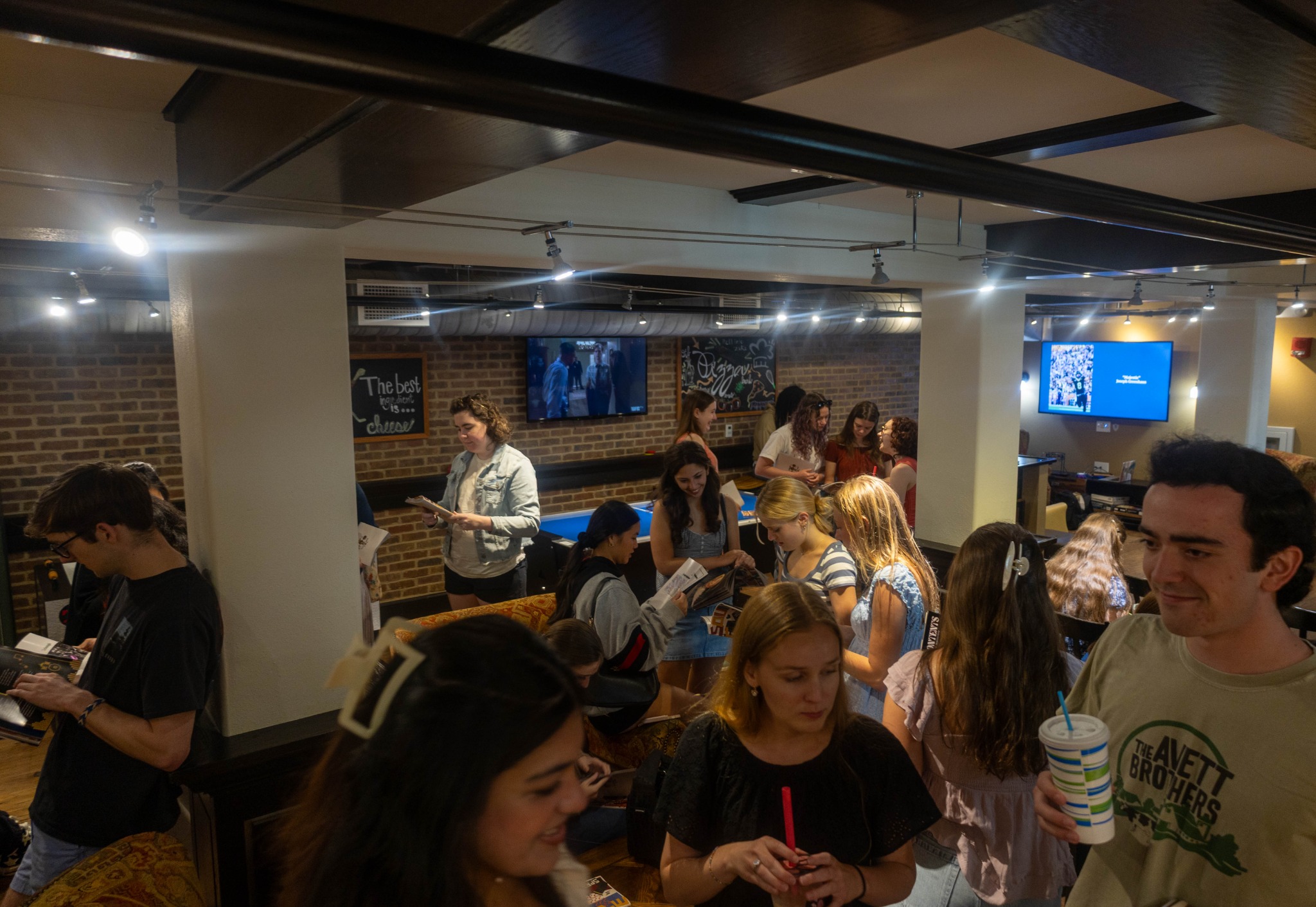
Through Soundscape, our team produced a professionally designed literary magazine showcasing student work across poetry, fiction, nonfiction, visual art, photography, and multimedia. The publication reflected months of collaboration among contributors, editors, designers, and production staff, culminating in a successful public launch and a finished issue that expanded the magazine's creative possibilities by blending print and digital storytelling.
More importantly, Soundscape demonstrated how thoughtful editorial vision can transform a collection of individual works into a unified artistic experience.